01
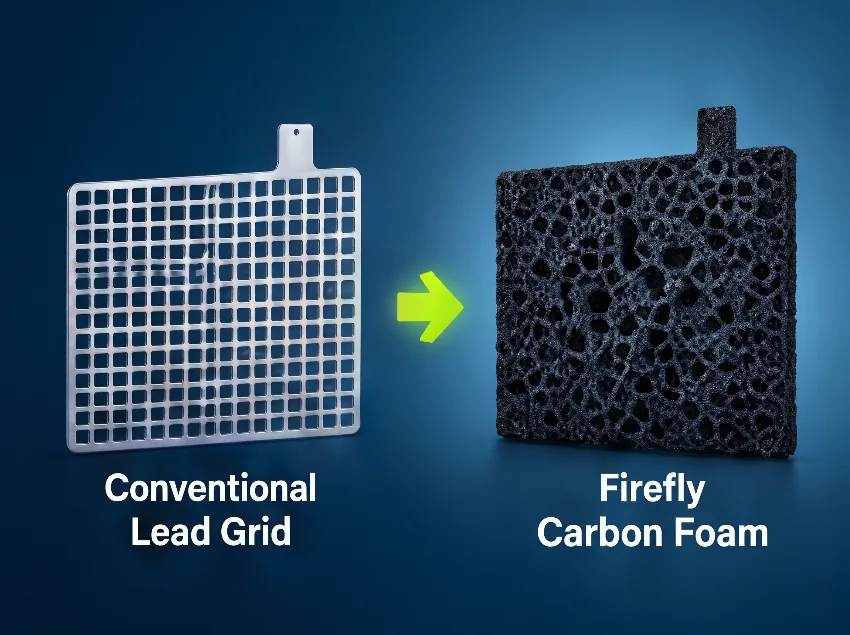
Replace the grid
Firefly uses a three-dimensional carbon foam structure instead of the conventional lead grid in the negative electrode.

FIREFLY MICROCELL CARBON FOAM
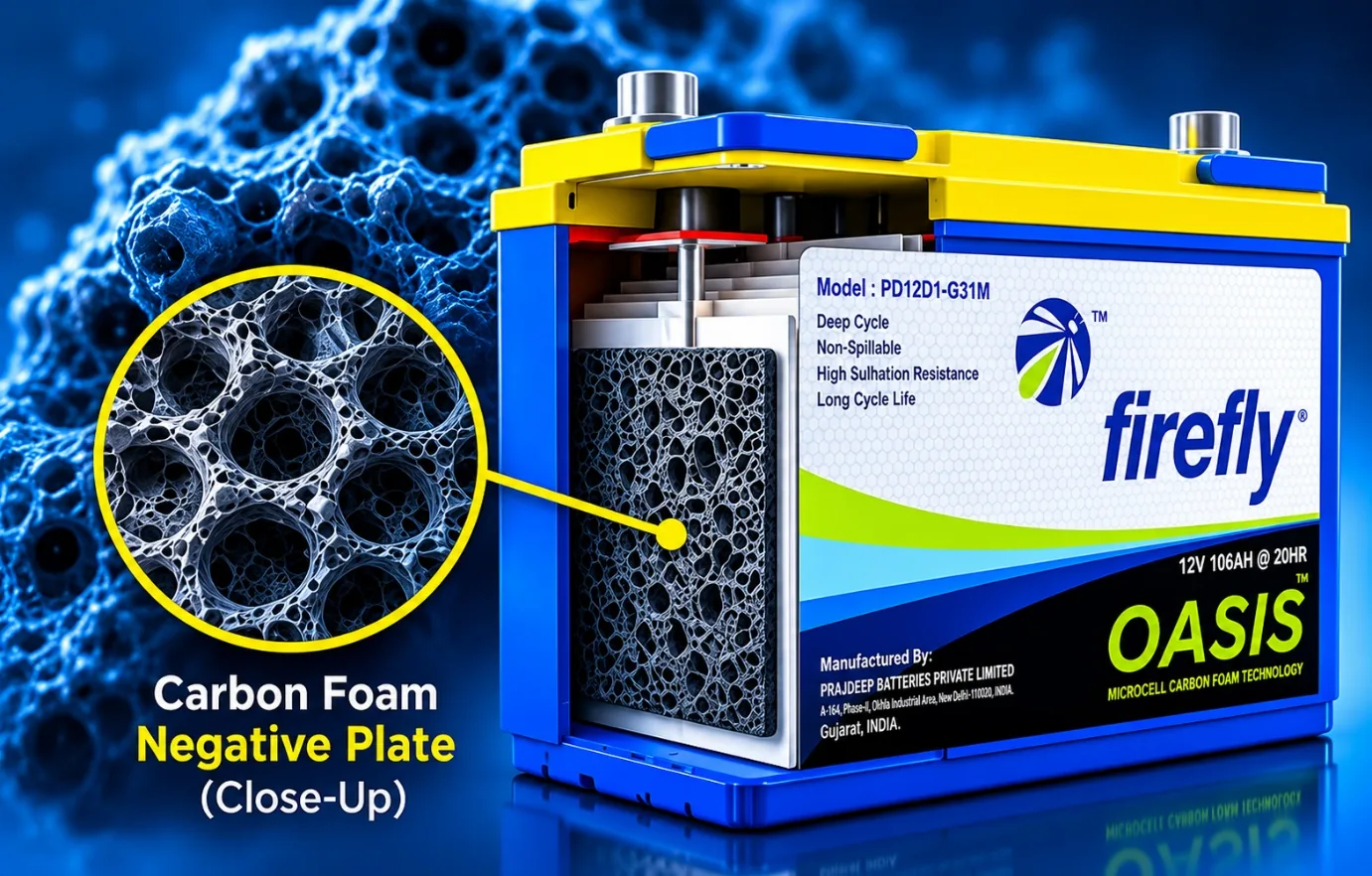
Firefly uses Microcell Carbon Foam in the negative electrode to help deliver longer life, better partial-charge performance, and dependable power.
A SMALL CHANGE INSIDE. A BIG DIFFERENCE OUTSIDE.
A simple innovation that makes a real difference in everyday use.
Firefly uses a three-dimensional carbon foam structure instead of the conventional lead grid in the negative electrode.
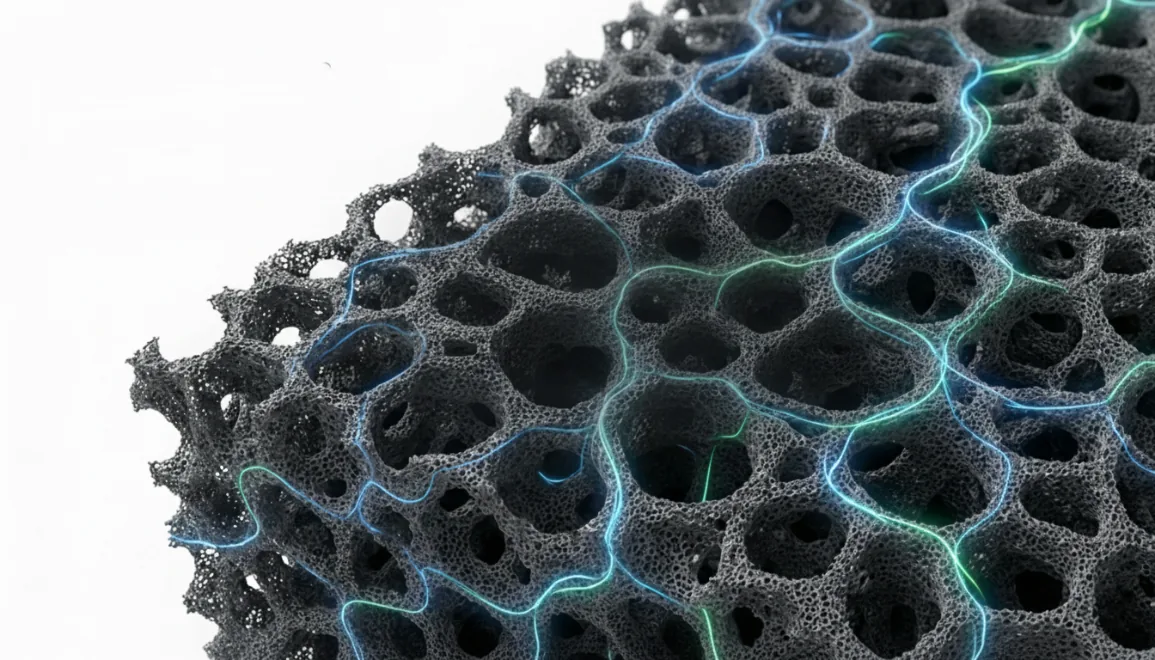
Its connected network of pores creates more surface area for battery reactions, supporting charge acceptance and helping resist sulfation.

That can mean strong deep-cycle performance and better tolerance for repeated partial charging than conventional designs.
DESIGNED FOR EVERYDAY DEMANDS
Engineered to withstand repeated charge and discharge cycles.
Designed for real use when a battery isn't always fully charged.
Dependable power for repeated use and demanding loads.
Sealed AGM/Gel construction for straightforward ownership.
BUILT FOR REAL-WORLD CHARGING
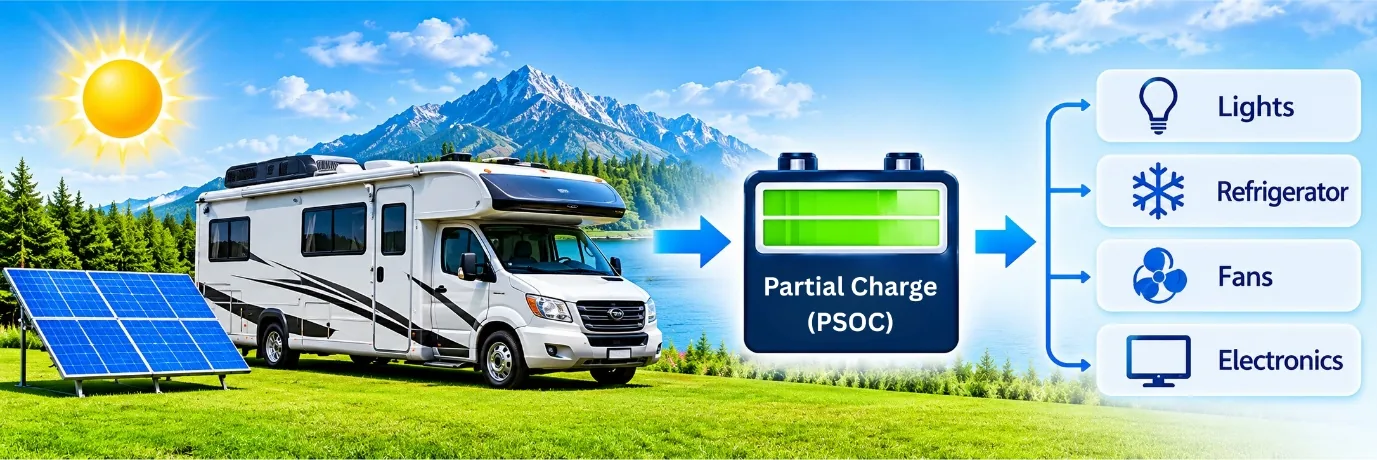
When you camp off-grid or run on solar, batteries often charge and discharge without reaching 100% every time. This is called partial state of charge (PSOC)—a demanding condition Firefly is designed to handle.
POWER FOR THE WAY YOU LIVE AND WORK
Dependable battery power for travel, work and critical backup.
 RVPower for travel, camping and off-grid living.Explore application
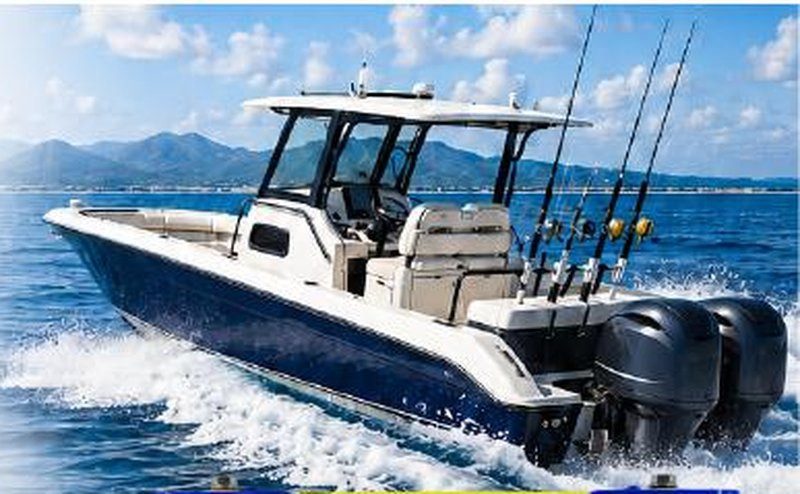 MarineReliable deep-cycle power for life on the water.Explore application
 TruckingStarting and auxiliary power for demanding road use.Explore application
 UPS & Data CentersDependable backup energy for critical infrastructure.Explore application
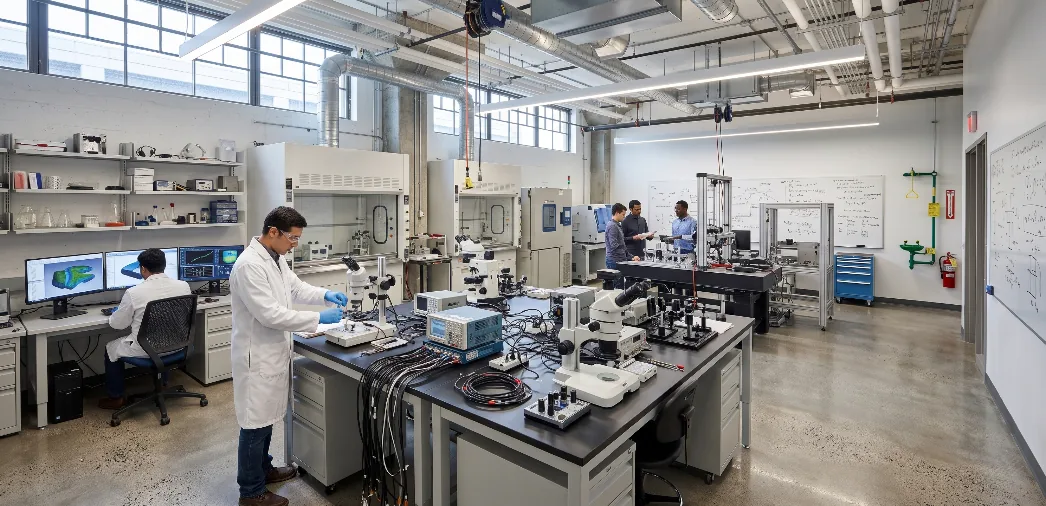
ENGINEERING ROOTS. REAL-WORLD APPLICATIONS.
Microcell Carbon Foam technology originated in Caterpillar's research and development. Today Firefly applies that engineering heritage to advanced lead-acid batteries for demanding real-world uses.